DISCREET FREE SHIPPING $69+
 TRUSTED BY THOUSANDS
 100% FEDERALLY LEGAL
 LAB TESTED FOR PURITY
The Afghani strain is a legendary pure indica cannabis variety known for its deeply relaxing effects, rich earthy aroma, and potent THC content. Originating from the Hindu Kush mountains of Afghanistan, this strain has been a cornerstone in breeding many modern hybrids. Whether you’re seeking relief from stress, pain, or insomnia, Afghani delivers a classic, full-bodied indica experience with its heavy sedative effects and sweet, spicy flavors. In this article, we’ll learn its history, effects, flavor profile, and why it remains a favorite among cannabis enthusiasts.
Afghani’s Legacy in Cannabis Culture
Afghani, one of the most legendary cannabis strains in history, has played a crucial role in shaping modern cannabis culture. Renowned for its rich history, potent effects, and genetic contributions to many contemporary strains, Afghani remains an essential component of the global cannabis landscape. Its deep roots in the Hindu Kush mountains, coupled with its influence on indica-dominant hybrids, cement its place as a cornerstone of cannabis breeding and consumption.
Origins and History
The Afghani strain traces its lineage to the rugged mountains of Afghanistan, particularly the Hindu Kush region, where cannabis has been cultivated for centuries. Indigenous growers in this region have long used the plant for medicinal and recreational purposes, as well as for producing hashish—a practice that remains prevalent in the Middle East and Central Asia today.
Afghani is classified as a pure indica strain, known for its robust genetics and high resin production. The plant evolved naturally in the harsh, arid climate of the region, which contributed to its resilience, dense structure, and potent cannabinoid content. Western cannabis breeders and travelers discovered Afghani in the 1960s and 1970s, bringing seeds back to the United States and Europe, where the strain was carefully cultivated and integrated into the burgeoning cannabis breeding scene.
Genetic Influence and Hybridization
Afghani’s genetic impact on the cannabis world cannot be overstated. As one of the foundational indica strains, it has been used extensively to create some of the most popular hybrids in existence today. Strains such as Northern Lights, Blueberry, and Bubba Kush all owe part of their potency and resilience to Afghani genetics. These hybrids have inherited Afghani’s signature characteristics, including its compact structure, rapid flowering cycle, and heavy resin production, making them favorites among growers and consumers alike.
The strain’s indica dominance also influenced the development of countless medicinal cannabis strains, offering therapeutic benefits such as pain relief, stress reduction, and improved sleep. Many modern breeders continue to experiment with Afghani genetics to produce new strains with enhanced potency and unique terpene profiles.
Aroma, Flavor, and Effects
The Afghani strain is a legendary landrace Indica that hails from the Hindu Kush mountains of Afghanistan. Known for its robust genetic lineage, this strain has been a cornerstone in breeding some of the most famous Indica-dominant hybrids available today. Afghani is cherished for its deeply relaxing effects, potent resin production, and rich sensory profile. Let’s delve into its aroma, flavor, and effects in greater detail.
Aroma
One of the defining features of Afghani is its pungent and earthy aroma, which is both intense and deeply rooted in classic cannabis scents. The primary aromatic notes include:
Earthy & Woody: A strong, musky scent reminiscent of fresh soil and damp forests, giving it a natural and organic appeal.
- Spicy & Herbal: Subtle hints of pepper, cloves, and aromatic herbs like sage or thyme enhance its complexity.
- Sweet & Hashy: A mild undertone of sweetness, often compared to incense or traditional hashish, rounds out the bouquet.
The combination of these elements creates a rich olfactory experience that is instantly recognizable and deeply satisfying to cannabis connoisseurs.
Flavor
The flavor profile of Afghani closely mirrors its aroma, providing a full-bodied smoking experience that lingers on the palate. When consumed, users can expect:
- Hash-Like Essence: Given its reputation as a resin-heavy strain, Afghani has a naturally hashy taste, which is bold and slightly spicy.
- Earthy & Piney Undertones: Notes of wood, pine, and damp earth dominate, giving it a grounded and natural flavor.
- Sweet & Creamy Finish: A mild sweetness emerges upon exhale, sometimes compared to honey, caramel, or warm spices, making the experience smooth and enjoyable.
Whether smoked or vaped, Afghani offers a rich, flavorful, and traditional cannabis experience that highlights its pure Indica roots.
Effects
Afghani is a potent Indica with effects that make it a favorite for relaxation, stress relief, and sleep support. Here’s what users can expect:
Physical Relaxation
Afghani is well-known for its deep body high. The moment it kicks in, a sense of warm, soothing relaxation washes over the body, melting away muscle tension and stress. It is a perfect strain for evening use when users want to unwind and de-stress.
Sedation & Sleep Aid
Thanks to its strong sedative properties, Afghani is widely used by those suffering from insomnia or restless sleep patterns. A few puffs can quickly lead to drowsiness, making it ideal for those who struggle to fall or stay asleep.
Euphoria & Mental Calm
While primarily a body-centric strain, Afghani also offers a mild cerebral euphoria. Users often report feeling uplifted and content, with negative thoughts dissipating into a state of mental calm. However, this strain is not known for intense psychoactive effects, making it a great choice for those who prefer a more mellow and tranquil high.
Growing Afghani: A Grower’s Dream
The Afghani strain is one of the oldest and most revered varieties of cannabis, known for its rich history and potent effects. This landrace strain has been bred for centuries in the rugged mountains of Afghanistan, and it is the foundation for many modern cannabis hybrids. Due to its resilience, compact growth structure, and high resin production, Afghani is a favorite among growers, particularly those who value simplicity and yield.In this guide, we’ll cover the key aspects of growing the Afghani strain, from its genetics and ideal growing environment to cultivation techniques and harvest considerations.
Genetics and Characteristics of Afghani Cannabis
Afghani cannabis is a pure indica strain, originating from the mountainous regions of Afghanistan. The harsh conditions of these areas, including extreme temperatures, strong winds, and low humidity, have contributed to the development of a hardy and robust plant. Afghani plants tend to grow short and bushy with broad leaves, making them perfect for indoor cultivation where space may be limited.
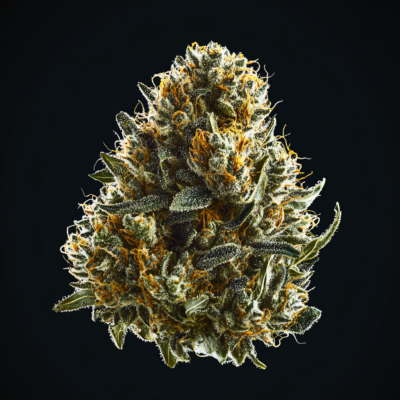
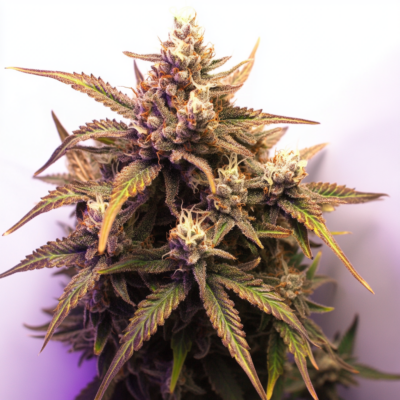
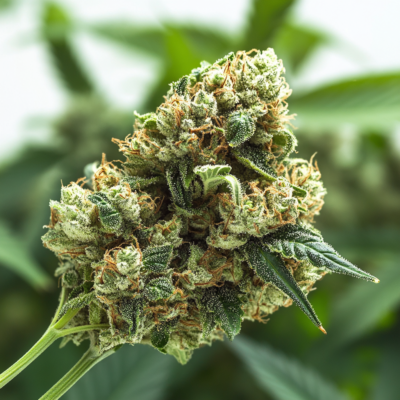
The flowers of the Afghani strain are dense and heavily coated with trichomes, which are resin glands responsible for producing the plant’s potent cannabinoids and terpenes. These flowers often display a deep green color with hints of purple, especially when exposed to cooler nighttime temperatures.
Growing Environment: Indoors vs. Outdoors
Indoor Growing: Afghani cannabis is an excellent choice for indoor cultivation due to its compact structure. It doesn’t require a lot of vertical space, making it ideal for grow rooms or tents. When growing indoors, the key to success is controlling the temperature and humidity levels. Afghani strains thrive in a temperature range of 65-80°F (18-27°C). They can tolerate slightly higher humidity during the vegetative phase, but during flowering, humidity should be kept low (40-50%) to prevent mold growth on the dense buds.
Lighting is crucial for indoor growers, and LED lights or high-pressure sodium (HPS) lights work well for the Afghani strain. The typical light cycle for cannabis is 18 hours of light and 6 hours of darkness during the vegetative phase, and 12 hours of light and 12 hours of darkness during the flowering stage.
Outdoor Growing: When growing Afghani outdoors, it’s important to mimic the conditions of the mountainous regions from which the strain originates. Afghani plants prefer warm, dry climates with plenty of sunlight. They are generally ready for harvest in mid-to-late September in the Northern Hemisphere, depending on the climate.
Afghani cannabis plants tend to do well in Mediterranean-like climates, where summers are warm and dry. However, the plants can also tolerate cooler temperatures, making them versatile in various outdoor environments. Make sure to plant Afghani cannabis in well-draining soil with plenty of organic matter to encourage strong growth.
Cultivation Tips
- Training and Pruning: Afghani cannabis plants are naturally bushy, so some form of pruning or training is recommended to maximize light penetration and airflow. Techniques such as topping, FIMming (F*** I Missed), or low-stress training (LST) can be used to encourage lateral growth and increase yield.
- Feeding and Nutrients: Afghani plants are not particularly heavy feeders, but they do require balanced nutrients throughout their lifecycle. During the vegetative phase, they will need nitrogen to encourage healthy leaf and stem growth. As they enter the flowering phase, switch to a nutrient mix with higher levels of phosphorus and potassium to promote bud development.
Overfeeding should be avoided, as Afghani plants are relatively sensitive to nutrient burn, especially when grown in soil. Always monitor the pH levels of your soil or hydroponic system, keeping it between 6.0 and 7.0 for optimal nutrient uptake.
- Watering: Afghani cannabis plants don’t require excessive watering. It’s essential to let the soil dry out between waterings to avoid root rot. Make sure the plants are well-drained, and water thoroughly when necessary, ensuring that excess water drains out.
Flowering and Harvesting
Afghani cannabis typically has a relatively short flowering period, usually around 7-9 weeks. Due to the indica genetics, the buds will develop dense, resin-covered flowers that are highly aromatic. These plants are known for their strong earthy, pine, and spicy scents, often with a hint of sweetness.
When the trichomes (resin glands) start to turn milky white with a few amber-colored trichomes, it’s time to harvest. This indicates that the THC content is at its peak. If you prefer a more sedative effect, wait until more amber trichomes appear. For a more cerebral, uplifting high, harvesting when the trichomes are still mostly milky will provide the desired effect.
Yield
Afghani cannabis can yield between 12-16 ounces per plant when grown outdoors, depending on the growing conditions. Indoor growers can expect yields of 1-2 ounces per square foot, but this will depend heavily on the grower’s experience and the methods employed.
Final Thoughts
Afghani remains a top choice for those seeking a traditional, heavy indica experience. With its legendary potency, relaxing effects, and easy cultivation, it continues to hold a respected place in cannabis culture. Whether you’re a grower, a medical patient, or a recreational user, this classic strain delivers on all fronts.
FAQs
What Does Afghani Smell Like?
Afghani has a pungent, earthy, and hash-like aroma, with subtle hints of pine and citrus after proper curing.
How Does Afghani Taste?
Its flavor is rich, woody, and spicy, often compared to traditional black hash. Some find it strong or harsh at first, but it’s an acquired taste.
What Are the Effects of Afghani?
Expect deep relaxation, couchlock, and a long-lasting body high. It’s ideal for nighttime use and helps with pain, stress, insomnia, and appetite stimulation.