DISCREET FREE SHIPPING $69+
 TRUSTED BY THOUSANDS
 100% FEDERALLY LEGAL
 LAB TESTED FOR PURITY
The Big Bud strain is a legendary Indica-dominant cannabis strain known for its massive yields, dense buds, and potent effects. Originally bred for its impressive production, this strain has gained popularity among growers and users alike for its relaxing and euphoric high. With a rich history dating back to the 1980s, Big Bud continues to be a favorite for those seeking a smooth, long-lasting experience. In this article, we’ll study its origins, effects, flavors, and why it remains a top choice for cannabis enthusiasts.
Origins of the Big Bud Strain
The Big Bud cannabis strain is well-known in the marijuana world for its exceptional size, high yield, and potent effects. As one of the most famous and beloved strains in the cannabis community, it has a rich history that traces back to the 1980s. Big Bud is particularly prized for its large, dense buds that can reach impressive sizes, making it a favorite for both novice and experienced growers. But how did this iconic strain come to be? Let’s delve into the origins and development of Big Bud, its lineage, and the impact it has had on the cannabis industry.
The Birth of Big Bud
Big Bud’s origins can be traced to a combination of genetics from several landrace strains. While the exact lineage remains somewhat unclear, it is widely believed to be a cross between Afghani and Skunk #1 genetics, with some speculation that other varieties like the Northern Lights also played a role in its creation. The intention behind Big Bud was to create a strain with massive, dense buds that could produce an incredibly high yield.
In the early 1980s, the cannabis industry was experiencing rapid growth in both the cultivation and breeding of cannabis strains. Breeders were experimenting with different genetics to develop strains that could thrive in a variety of climates while maximizing yields and potency. Big Bud emerged from this experimentation, with breeders focusing on the trait of large bud production, a feature that would set the strain apart from others in terms of both visual appeal and market demand.
Genetics and Development
The breeders behind Big Bud sought to combine the desirable traits of different parent strains. Afghani, a popular indica landrace, contributed its robust structure, resin production, and heavy physical effects. Skunk #1, another iconic strain, contributed its well-rounded, hybrid qualities, offering a mix of both indica and sativa effects while also improving the strain’s resistance to pests and molds. These genetics resulted in Big Bud being a hybrid with a predominantly indica-dominant profile, which is known for its calming, relaxing effects.
The plant’s ability to produce enormous buds with a dense structure became one of its standout features. Big Bud’s dense flowers often weigh down its branches, requiring support during growth to prevent breakage. This trait, along with its high THC content, made it an attractive option for commercial growers, as the large buds could be harvested in abundance, increasing profits.
Big Bud’s Rise in Popularity
As cannabis cultivation techniques advanced throughout the 1980s and 1990s, Big Bud quickly gained recognition. Growers, particularly those in North America and Europe, started cultivating it for its commercial potential, as the plant’s large yields were perfect for mass production. The strain’s genetics were refined over time to ensure that the resulting plants could thrive in a variety of growing environments, from indoor hydroponic setups to traditional soil-based cultivation.
During the 1990s, Big Bud began appearing more widely in cannabis competitions, where it earned a reputation for producing enormous buds that were both visually stunning and potent. Its popularity only grew as more and more cultivators adopted it for their grow operations. Its ability to produce large, sticky buds filled with trichomes, along with its relatively quick flowering time, made it a sought-after strain for both novice and professional growers.
Big Bud’s Characteristics
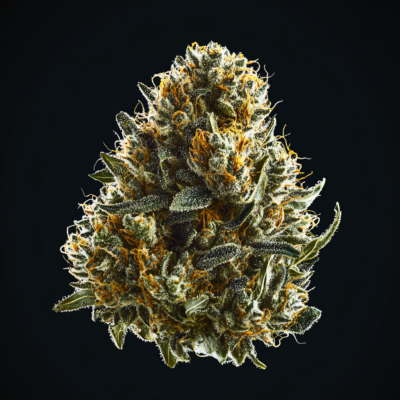
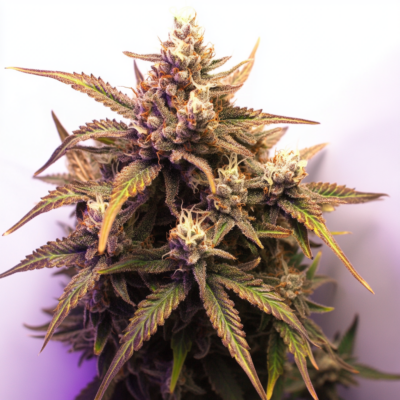
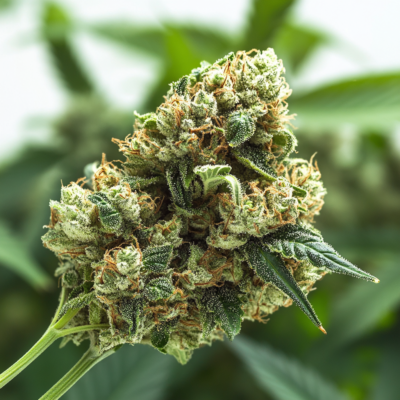
Big Bud plants typically grow into large, bushy specimens that require a bit more space than other strains due to their size. They can reach up to 6 feet in height when grown outdoors, although indoor growers can often keep them smaller through pruning and training techniques. The strain’s buds are its most notable feature, with tight, dense clusters that are often so large they appear almost too heavy for the branches to support.
In terms of aroma and flavor, Big Bud tends to have a sweet, earthy scent with subtle notes of spice and citrus. When smoked, it offers a smooth and calming experience, typical of indica strains, with effects that lean toward relaxation and sedation. THC levels typically range from 15% to 20%, making Big Bud moderately potent but not overwhelmingly so.
Big Bud’s Legacy
Big Bud’s enduring legacy lies in its contribution to the world of cannabis cultivation. It remains a highly regarded strain among growers who prioritize yield and efficiency. Although many new strains have been developed since Big Bud’s inception, its influence can still be seen in many modern hybrids and high-yielding strains.
Additionally, Big Bud’s reputation as a reliable and productive strain has made it a foundational strain in the breeding of many contemporary varieties. Its genetics are often used to create new strains that emphasize larger buds and higher yields, helping to further cement Big Bud’s place in cannabis history. The strain’s straightforward and easy-to-grow nature has also made it a favorite among new growers who want a strain that is both forgiving and rewarding.
Aroma, Flavor, and Terpene Profile
The Big Bud strain is not only celebrated for its massive, dense buds but also for its distinctive aroma, flavor, and terpene profile, which make it a sensory delight for cannabis enthusiasts.
Aroma
Big Bud’s aroma is rich, earthy, and sweet, with subtle hints of spice and citrus. As soon as you break apart the buds, the scent becomes more pronounced, revealing a complex mix of earthy undertones combined with a slight skunkiness, which is a common trait inherited from its Skunk #1 parent. The overall fragrance is bold yet not overpowering, making it an enjoyable strain to handle and smoke.
Flavor
When smoked, Big Bud delivers a smooth, sweet, and earthy flavor that lingers on the palate. The sweetness is often compared to ripe fruits, while the earthy notes give the strain a grounding, natural taste. There are also delicate hints of spiciness and citrus, which provide an intriguing complexity to the flavor profile. This combination of sweet, earthy, and spicy flavors creates a balanced and enjoyable smoking experience that appeals to both seasoned and beginner smokers alike.
Terpene Profile
The terpene profile of Big Bud is key to its distinctive aroma and flavor. Key terpenes in Big Bud include:
- Myrcene: This is the dominant terpene in Big Bud, contributing to its earthy, herbal, and slightly fruity aroma. Myrcene is known for its relaxing and sedative effects, adding to the strain’s calming experience.
- Caryophyllene: With its spicy, peppery scent, caryophyllene contributes to the strain’s spicy flavor notes and has anti-inflammatory properties.
- Limonene: Adding a touch of citrus, limonene imparts a zesty, tangy flavor and has mood-lifting effects.
Overall, Big Bud’s terpene profile creates a well-rounded sensory experience, with a soothing and mellow flavor that perfectly complements its relaxing effects.
How to Grow the Big Bud Strain
Preferred Growing Conditions
Big Bud thrives in both indoor and outdoor setups, but it performs best in controlled indoor environments where temperature and humidity can be managed. It adapts well to hydroponic systems but also flourishes in nutrient-rich soil.
Feeding and Nutrients
To support massive bud production, Big Bud requires a nutrient-heavy feeding schedule, particularly high phosphorus levels during flowering. Cal-Mag supplements are beneficial for preventing deficiencies in this fast-growing, high-yield strain.
Pruning and Training
Due to its dense foliage, regular pruning and trimming help improve air circulation and light penetration. Techniques like topping and SCROG (Screen of Green) can further maximize yield and bud uniformity.
Harvest Tips
Big Bud reaches full maturity within 50 to 65 days of flowering. To ensure peak potency, monitor the trichomes, which should transition from clear to milky white before harvest. Proper drying and curing are crucial to preserve the flavor and prevent mold in its dense buds.
Final Thoughts: Is Big Bud Worth Trying?
With its impressive yields, potent relaxation effects, and classic indica characteristics, Big Bud remains a top choice for growers and cannabis enthusiasts. Whether you’re looking for a soothing nighttime strain or a high-yield cultivar, Big Bud delivers in both quality and quantity.
FAQ
1. What is the Big Bud strain?
Big Bud is an Indica-dominant cannabis strain known for its exceptionally large buds, high yields, and relaxing effects. It has a sweet, earthy, and slightly spicy aroma, making it a popular choice among growers and consumers alike.
2. What are the genetics of Big Bud?
Big Bud has a rich genetic background, with origins tracing back to Afghani, Skunk, and Northern Lights strains. This lineage contributes to its robust growth, potency, and distinctive aroma.
3. What does Big Bud taste like?
Big Bud has a sweet, earthy, and spicy flavor profile, with hints of herbal and peppery notes due to its dominant terpenes—Myrcene, Pinene, and Caryophyllene.