DISCREET FREE SHIPPING $69+
 TRUSTED BY THOUSANDS
 100% FEDERALLY LEGAL
 LAB TESTED FOR PURITY
Welcome to the enlightening world of Delta 8 THC, a fascinating cannabinoid derived from the humble hemp plant. Not quite traditional THC, Delta 8 has stirred up significant attention in the cannabis products realm, straddling the worlds of health benefits and psychoactive effects.
In this blog, we unravel the mystery of Delta 8 THC, its relevance in today’s rapidly evolving health and wellness industry, and the intricate production process. So buckle up and get ready to navigate the exciting terrain of this unique cannabinoid.
Understanding THC and Its Various Forms
THC is one of the cannabinoids found in cannabis plants. The most well-known is Delta 9 THC, traditionally linked with the potent psychoactive effects of marijuana. But only a handful of cannabinoids, including Delta 8 THC, have begun to share the limelight.
Differences Between Delta 9 THC, Delta 8 THC, and Other Cannabinoids
Delta 9 THC, Delta 8 THC, and CBD are all derived from hemp plants, but they differ considerably in their chemical structure and effects. Delta 9 THC is known for its potent psychoactive effects, while CBD, or cannabidiol, has no psychoactive properties. CBD oil, one of the most common and popular CBD products, is often touted for its health benefits.
On the other hand, Delta 8 THC provides a middle ground. It shares a similar chemical structure with Delta 9 THC but with some notable differences that result in milder psychoactive effects. Unlike CBD, it does give users a high, but the experience tends to be smoother and more controlled.
Related Post:
What is The THC Level in Delta 8?
Chemistry Behind Delta 8 THC
Understanding the basics of cannabis chemistry, especially the chemical structure of Delta 8 THC, can be intriguing. It can also help you make more informed decisions when buying THC products from an online store or choosing between cannabis products.
General Information on Cannabis Chemistry
The cannabis plant is a veritable cornucopia of chemicals. It contains hundreds of compounds, but the ones that have caught the most attention from researchers and consumers alike are cannabinoids. Only a handful of these, including Delta 8 and Delta 9 THC, along with CBD, are well-known. Each has a unique chemical structure that has different effects on the body.
Cannabis plants, including hemp plants, synthesize cannabinoids in their trichomes (the tiny, crystal-like hairs on the flowers and leaves). These compounds interact with our body’s endocannabinoid system (ECS), leading to various effects – from the psychoactive effects associated with traditional THC to the purported health benefits of CBD oil.
Explanation of the Chemical Structure of Delta 8 THC
Diving deeper, let’s focus on the chemical structure of Delta 8 THC. It is similar to that of its better-known cousin, Delta 9 THC. The difference lies in the placement of a specific bond in the molecule. In Delta 9 THC, this bond is on the ninth carbon in the chain, while in Delta 8 THC, it’s on the eighth carbon.
This seemingly minor variation in chemical structure has significant implications. It results in milder psychoactive effects compared to Delta 9 THC. Users report a clear-headed high from Delta 8, unlike the intense high from traditional THC.
The chemical structure of Delta 8 THC also allows it to bind to the CB1 and CB2 receptors in the ECS, possibly leading to various health benefits. However, research into these effects is ongoing.
Importance of Understanding the Chemical Structure
Why should you, as a consumer, bother with understanding the chemical structure of Delta 8 THC? Several reasons underline the importance of this.
- Product Quality: Understanding the basics of Delta 8 THC’s structure helps discern the quality of the products you buy. Reputable brands will ensure their products, whether Delta 8 or other cannabinoids undergo third-party lab testing. These tests check for potency, purity, and the absence of contaminants like heavy metals, ensuring you receive high-quality, safe hemp products.
- Legal Implications: The chemical structure also has legal implications. Federal and state laws often distinguish between cannabinoids based on their chemical structure. Delta 8 THC, derived from hemp, is legal at the federal level in the US, unlike Delta 9 THC.
- Effects on the Body: The chemical structure of a cannabinoid largely determines its effects on the body. While Delta 8 THC is psychoactive, its effects are reported to be milder and more manageable than Delta 9 THC, all thanks to its unique structure.
- Drug Tests: Finally, Delta 8 THC can cause a positive result for those worried about drug tests due to its similar chemical structure to Delta 9 THC. Thus, understanding the structure helps you manage such situations better.
Production Process of Delta 8 THC
To ensure the THC products you procure from your favorite online store are of excellent quality, it’s vital to understand how they’re made. And don’t worry if you’re not a chemistry whiz — we’ll break it down in easy-to-understand terms.
The Role of the Hemp Plant in the Production
Our story begins with the humble hemp plant. Unlike its cannabis cousin, marijuana, hemp is low in Delta 9 THC and high in CBD, making it the ideal candidate for producing Delta 8 THC. But here’s the kicker: hemp plants naturally produce only tiny amounts of Delta 8 THC. Producers have developed a process that converts CBD, abundantly found in hemp, into Delta 8 THC to overcome this challenge.
STEP 1: Extraction of Raw Materials
The first step in the production process is extracting the raw materials from the hemp plants. This is typically done using CO2 or ethanol extraction methods known for their efficiency and safety. The result is a crude extract rich in CBD, other cannabinoids, and plant compounds.
STEP 2: Refinement Process (Converting CBD to Delta 8 THC)
Next up is the refinement process, where the real magic happens. The CBD in the crude extract undergoes a chemical reaction known as isomerization, which alters its chemical structure to produce Delta 8 THC. This process requires careful control of the reaction conditions and professional oversight to ensure safety and efficiency.
STEP 3: Purification and Testing
The resulting mixture must be purified once the CBD has been converted into Delta 8 THC. This step often involves a method known as chromatography, which separates the Delta 8 THC from any residual CBD and other unwanted compounds.
But the production process isn’t complete just yet. They undergo rigorous third-party lab testing before the Delta 8 THC products hit the online store or dispensary shelves. These tests assess the product’s purity and potency, ensuring it’s free from contaminants such as heavy metals and verifying that it contains the stated amount of Delta 8 THC.
STEP 4: Final Product Formation (Oils, Vapes, Gummies, etc.)
Finally, we come to the formation of the final products. The purified Delta 8 THC is infused into various product forms to suit consumer preferences. You’ll find it in everything from oils and tinctures to vapes, gummies, and more. Each product form offers a unique consumption experience and various ways to enjoy the potential health benefits of Delta 8 THC.
Choosing the right product can depend on several factors, such as your lifestyle, dosage requirements, and personal preferences. For instance, gummies might be preferred for their ease of use and precise dosing, while vapes can offer faster effects.
Best Delta 8 THC Products You Can Buy Online
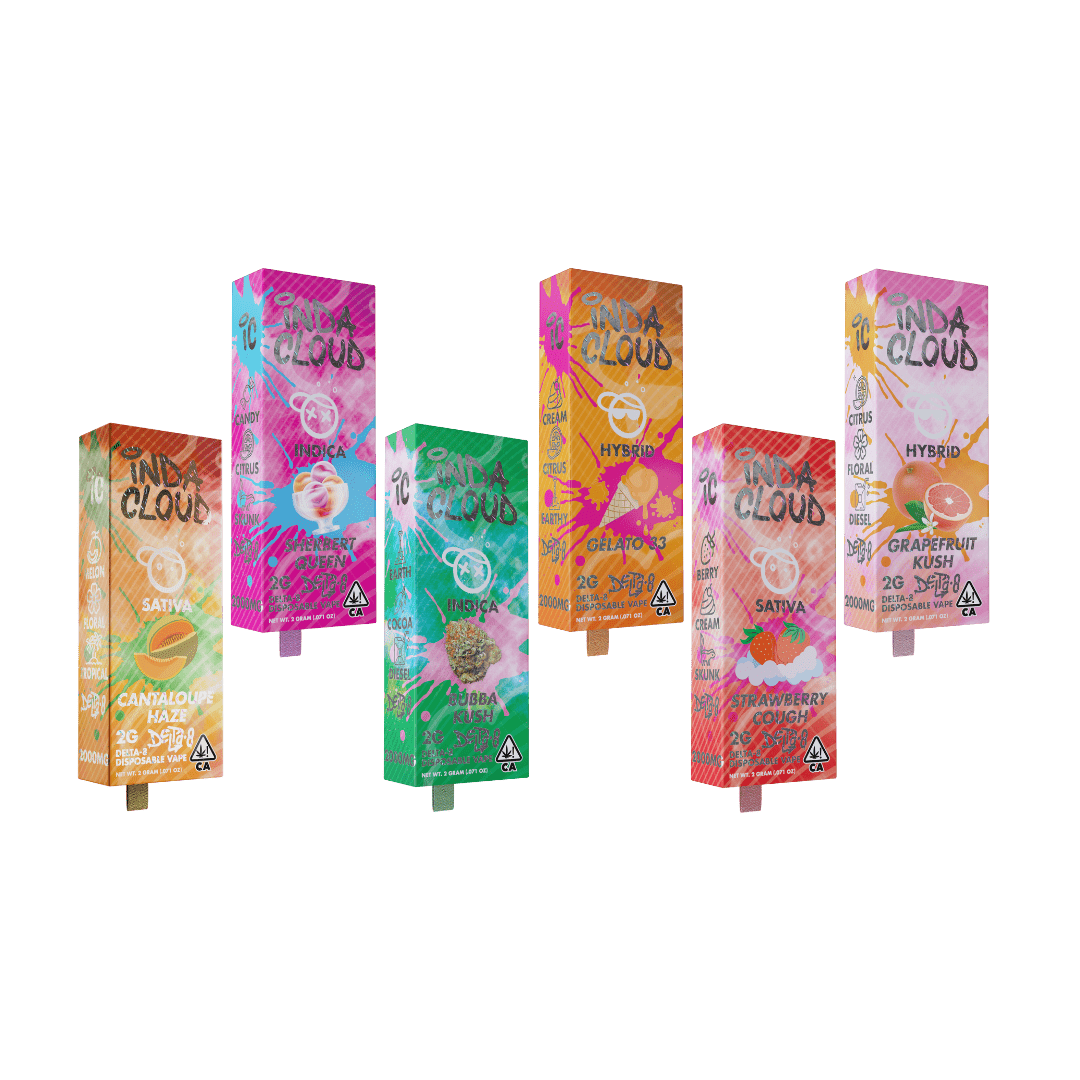
Whether you’re a beginner dipping your toes into cannabis products or a seasoned user looking for something new, our top picks of Delta 8 THC products promise quality, purity, and an excellent customer service experience.
Sherbert Queen Delta 8 Disposable Vape Pen
Reigning supreme in the kingdom of potent Indica strains is the Sherbert Queen Delta 8 Disposable Vape Pen. According to satisfied customers, this product’s enchanting blend of skunky citrus, sweet berry, and sugary sweets works around the clock to relax the body, clarify the mind, and reduce stress.
With an approximate Delta 8 THC content of 1840 mg and an added mix of Botanical Terpenes, this 2-gram vape pen dazzles with its exquisite flavor profile. Like all reputable brands, the Sherbert Queen ensures all products are multi-stage, third-party lab tested before and after production to verify quality. The pen’s convenience, enriched with the relaxing effects of Delta 8 THC, makes it a perfect companion on the go.
Bubba Kush Delta 8 Disposable Vape Pen
Next on our list is the Bubba Kush Delta 8 Disposable Vape Pen, a world-renowned Indica strain known for its beneficial effects on sleep, stress, and appetite. This pen epitomizes high-quality cannabis products, boasting rich earthy chocolate, coffee, and diesel notes.
Like the Sherbert Queen, this 2-gram vape pen also contains approximately 1840 mg of Delta 8 THC and Botanical Terpenes. You can anticipate a powerful physical relaxation with this Delta 8 THC disposable vape pen, backed by multi-stage lab tests for product quality assurance.
Cantaloupe Haze Delta 8 Disposable Vape Pen
Lastly, we present the Cantaloupe Haze Delta 8 Disposable Vape Pen. This product stands out with its unique flavor resembling fresh cantaloupes, creating a tropical delight for your senses. The Cantaloupe Haze is a Sativa strain known to battle fatigue, sharpen the mind, and boost creativity.
With an estimated Delta 8 THC content of 1840 mg and a Botanical Terpenes blend, this 2-gram vape pen offers a unique balance of flavor, psychoactive effects, and convenience. As with our other top picks, the Cantaloupe Haze is third-party lab tested, ensuring you purchase a high-quality, safe, and compliant product.
Safety and Legality of Producing Delta 8 THC
Cannabis plants have long been recognized for their potential health benefits, and understanding the psychoactive effects of different cannabinoids continues to evolve. Among these, Delta 8 THC has captured a lot of attention thanks to its unique chemical structure that offers some of the benefits of traditional THC without some of its more undesirable effects. However, as its popularity grows, so does the importance of understanding the safety and legality of its production.
The Legal Landscape of Delta 8 THC Production
The legality of Delta 8 THC is an interesting study of state laws, federal regulations, and the ever-evolving world of cannabis legislation. In the United States, the 2018 Farm Bill legalized hemp products derived from hemp plants, including CBD products and others. However, this legislation draws a clear line between hemp-derived cannabinoids and those sourced from the marijuana cannabis plant.
Delta 8 THC, a cannabinoid like CBD but with some psychoactive effects, unlike CBD, lies in a unique legal grey area. It’s naturally occurring in hemp plants, but only in minimal amounts. The production process often involves a chemical reaction that converts CBD to Delta 8 THC, which some interpret as falling within the legal boundaries.
The Drug Enforcement Administration (DEA) and some state laws consider the synthetic production of Delta 8 THC as a legal grey area or even outright illegal. It’s always advisable to consult with a legal expert and stay updated on current laws in your state regarding Delta 8 THC and other THC products.
Safety Measures and Precautions in Delta 8 THC Production
Given the legal complexities, reputable brands have implemented stringent safety measures in producing Delta 8 THC. These include:
- Third-party lab testing: This ensures that the final product is safe, free from harmful chemicals, and contains the advertised amount of Delta 8 THC. Lab tests can also confirm the absence of heavy metals, which can sometimes contaminate cannabis products.
- Organic ingredients: Many brands are committed to using only organic ingredients, ensuring their products do not contain harmful pesticides or synthetic additives.
- Transparent production process: Brands with a solid reputation are usually transparent about their production process, helping customers to make informed decisions.
Regulation of Delta 8 THC by Health and Safety Agencies
The rapid rise in popularity of Delta 8 THC has led to increased scrutiny from health and safety agencies. The Food and Drug Administration (FDA) and poison control centers have warned about potential adverse effects related to its use, especially since it’s more psychoactive than CBD.
Third-party lab testing is an essential regulatory measure, and many reputable brands willingly comply, providing test results for customers to review. Additionally, some states have imposed their regulations, with only a handful allowing the production and sale of Delta 8 THC products.
The Impact of Delta 8 THC on the Industry
Now, we’re delving into the impact of Delta 8 THC on the industry, including market trends, how it stacks up against other cannabinoids and future predictions.
Market Trends for Delta 8 THC
Delta 8 THC, a derivative of hemp plants, has rapidly become a sought-after product in online stores and brick-and-mortar shops. Customers report experiencing a smoother, less anxiety-provoking high than traditional THC, further fueling its popularity. Many users also feel more alert and relaxed, increasing interest in this cannabinoid.
Key market trends for Delta 8 THC include:
- Growth in product offerings: Various Delta 8 THC products are now available, ranging from vapes and gummies to tinctures and capsules. This expansion caters to a wide array of consumer preferences, ensuring everyone can find a product that suits them.
- Lab-tested products: With reputable brands prioritizing safety and transparency, most Delta 8 THC products are now third-party lab tested. This trend promotes consumer confidence and helps maintain brand reputation, and ensures products are free of heavy metals and other contaminants.
- Organic and natural ingredients: In a bid to cater to health-conscious consumers, many Delta 8 THC products feature organic ingredients. This focus on natural, wholesome ingredients enhances the overall appeal of these products.
Comparison with Other Cannabinoids in the Market
Delta 8 THC is unique among other cannabinoids, including CBD and Delta 9 THC. Unlike CBD, Delta 8 THC has psychoactive effects, although they’re less intense than traditional THC. Compared to other THC products, Delta 8 THC also presents a different legal scenario. While state laws vary, the production and sale of Delta 8 THC from hemp are legal on a federal level, unlike traditional THC products derived from the marijuana plant.
Future Predictions and Implications for the Industry
The future of Delta 8 THC looks promising, albeit with some considerations. As its popularity continues, there’s potential for more rigorous regulation and scrutiny. State laws could evolve, possibly restricting or expanding the market. As such, brands must continue demonstrating excellent customer service, maintaining transparency about their production process, and prioritizing third-party lab testing to ensure their products’ safety and quality.
Also, as more people become aware of the unique properties of Delta 8 THC and more research explores its potential health benefits, we anticipate continued growth and innovation in the product offerings.
User’s Guide to Delta 8 THC
The rise of Delta 8 THC in the market has been nothing short of a revolution. Originating from the cannabis plant, this compound has been making waves for its significant health benefits and milder psychoactive effects compared to its more famous cousin, traditional THC. Whether you’re new to cannabis products or you’re a seasoned user looking to try something different, this guide will provide everything you need to know about Delta 8 THC, from consumption methods to potential side effects and helpful tips for first-time users.
The How-To’s of Consuming Delta 8 THC
Despite being relatively new in the cannabis industry, Delta 8 THC is readily available in various forms from numerous online stores, making it a convenient option for many users. Like other cannabinoids, Delta 8 THC can be consumed in several ways:
- Vaping: One of the most popular methods of consumption is through vape pens. These user-friendly devices allow for precise dosage control and offer rapid onset of effects.
- Edibles: Delta 8 THC gummies and other edibles provide a tasty and discreet way to consume this cannabinoid. However, the effects take longer to kick in compared to vaping, but they also last longer.
- Tinctures and Oils: Sublingual consumption through Delta 8 THC tinctures or oils is another method gaining popularity. Placing drops under your tongue can lead to quick absorption and swift effects.
- Topicals: Although less common, Delta 8 THC can be found in creams, lotions, and other topical products for localized relief.
Remember that the key to enjoying Delta 8 THC is starting low and going slow. This is particularly important if you’re new to cannabis products or are transitioning from CBD products, which, unlike CBD, Delta 8 does have psychoactive effects.
Embracing the Benefits and Acknowledging the Side Effects
Delta 8 THC has many possible health benefits, making it a compelling choice for many. Customers report relief from pain and inflammation, improved sleep, reduced anxiety, and even neuroprotective properties. Its psychoactive effects are less potent than traditional THC, leading to a milder, clearer high that many users find enjoyable.
However, it’s important to note that all cannabis products, including Delta 8 THC, may cause some adverse events, particularly in large doses. These can include dry mouth, increased heart rate, fatigue, and changes in appetite. Some users also report feeling slightly dizzy or nauseous if they consume too much too quickly.
A Few Friendly Tips for First-Time Users
If you’re considering trying Delta 8 THC for the first time, here are a few handy tips:
- Check the Product’s Lab Test Results: Always choose products that have been third-party lab tested. This ensures the product is free of heavy metals, pesticides, and other harmful substances. Reputable brands will have these results readily available.
- Start Small: If you’re new to THC products or cannabis products in general, start with the smalles dose possible and gradually increase until you find the one that gives you the desired effects without any unwanted side effects.
- Stay Hydrated: Like all cannabinoids, Delta 8 THC can cause dry mouth, so keep a bottle of water nearby when you’re consuming.
- Don’t Drive: Despite its milder effects than traditional THC, Delta 8 can still impair your ability to drive or operate machinery. Always use it responsibly.
- Check State Laws: Although Delta 8 THC is derived from hemp plants and is technically legal under federal law, some state laws have different regulations. Make sure to verify the legal status in your area before purchasing.
Conclusion
Crafting Delta 8 THC is a complex process that starts with the cannabis plant, specifically hemp plants. Through a meticulous production process that alters the chemical structure of CBD – another cannabinoid with a reputation for its health benefits, Delta 8 THC is created. However, it’s important to note that, unlike CBD, Delta 8 has psychoactive effects, although they are significantly milder than traditional THC.
The dynamic world of cannabis products, including Delta 8 THC, is a fascinating field with much still to learn. Despite the wealth of information available, only a handful of the numerous other cannabinoids in the cannabis plant have been extensively studied. As consumers, keeping abreast of the latest research and developments is crucial.
Frequently Asked Questions
How do you make Delta 8 THC?
The production of Delta 8 THC starts with the extraction of CBD from hemp plants, which are a type of cannabis plant. This CBD is then put through a process known as isomerization, which involves altering the chemical structure of CBD to create Delta 8 THC. This process requires a certain level of scientific knowledge, expertise, and specialized equipment to ensure safety and accuracy.
What chemicals are in Delta 8 THC?
Delta 8 THC, like other cannabinoids, is a compound found in the cannabis plant. It comprises hydrogen, carbon, and oxygen atoms arranged in a particular structure. The chemical structure of Delta 8 THC is similar to that of Delta 9 THC (traditional THC), the main psychoactive compound in cannabis, but with a slight difference that results in a less potent psychoactive effect.
How is Delta 8 powder made?
Delta 8 powder is made by drying the Delta 8 THC distillate. This distillate is created by extracting and concentrating the Delta 8 THC from the cannabis plant. After distillation, the Delta 8 THC is purified, usually through a crystallization process, to create a powder form that can be used in various products.
Is Delta 8 bad for your heart?
No definitive scientific evidence suggests that Delta-8-THC is specifically harmful to the heart. However, overuse or misuse may lead to potential health risks like any substance. It’s recommended to consult with a healthcare provider before starting any new supplement regimen, including Delta-8-THC.
Is Delta 8 high better than THC high?
Whether a Delta 8 THC high is better than a traditional THC high is largely subjective and depends on individual preferences. While Delta 8 THC does produce psychoactive effects, they’re generally described as less intense than those of Delta 9 THC. Some users report a clearer, more focused high with Delta 8 THC, without the paranoia or anxiety that sometimes accompanies a Delta 9 THC high.
What is the strongest Delta THC?
The “strongest” Delta THC is generally considered Delta 9 THC due to its more potent psychoactive effects. However, the strength of a Delta THC product can vary depending on the compound’s concentration and consumption method.
What is a Delta 8 distillate?
A Delta-8 distillate is a highly concentrated form of Delta 8 THC extracted and purified from the cannabis plant. The distillation removes impurities and other cannabinoids, producing a potent, pure product.
Is Delta 8 distillate good?
Whether Delta-8 distillate is “good” depends on individual preferences and needs. For some users, the higher concentration of Delta-8-THC in a distillate can provide a more potent effect which they find beneficial. However, using these products responsibly is always important due to their high potency.
Does Delta 8 give you the same high?
Delta-8-THC does produce a high, but it’s generally described as less intense and more clear-headed than the high produced by Delta-9-THC. Some users enjoy this because it allows them to experience the benefits of THC without the strong or intense psychoactive effects.
Is it safe to dab Delta 8 distillate?
Dabbing Delta 8 distillate can be safe responsibly and with the right equipment. However, because distillates are highly concentrated, they can be quite potent. It’s important to start with a small amount and gradually increase until you find a comfortable level.
What’s the cheapest Delta 8 vape?
The price of a Delta 8 vape can vary widely based on factors like the brand, the amount of Delta 8 THC it contains, and where you purchase it from. It’s possible to find more affordable options, but remember that with CBD products, cheaper doesn’t always mean better.
Why is Delta 8 so expensive?
Delta 8 can be quite expensive than other cannabinoids due to the complexity of its production process. Extracting and converting CBD into Delta 8 THC requires specialized knowledge and equipment, which can increase costs. Additionally, because it’s a relatively new product, there’s less competition in the market, which can also drive up prices.
Is Delta 8 THC banned?
Delta 8 THC, like CBD, is legal on a federal level in the United States. However, some states have chosen to ban or regulate it. Laws are constantly changing, so it’s important to stay updated on the regulations in your area.